


Practical high-level maintenance
Fix localised defects without building the job around scaffold
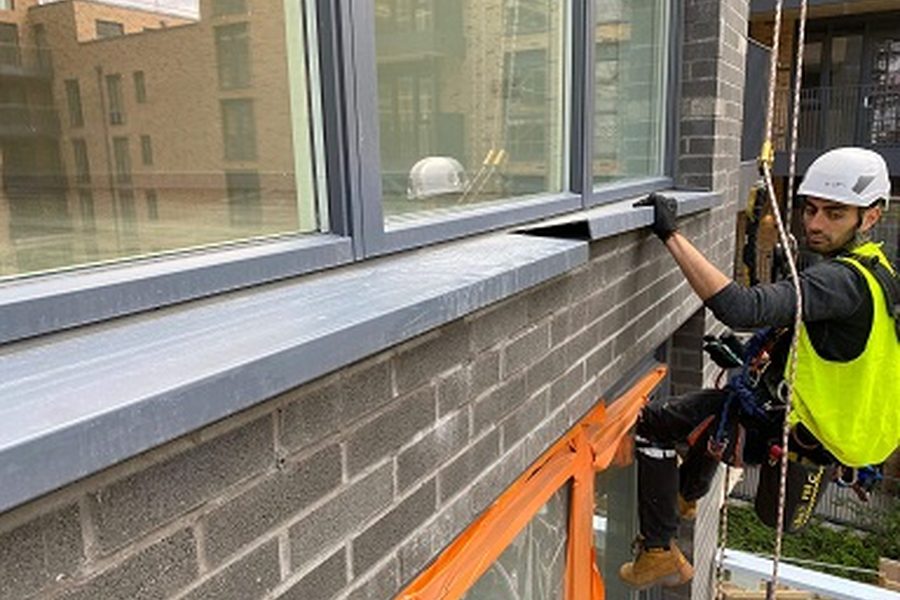
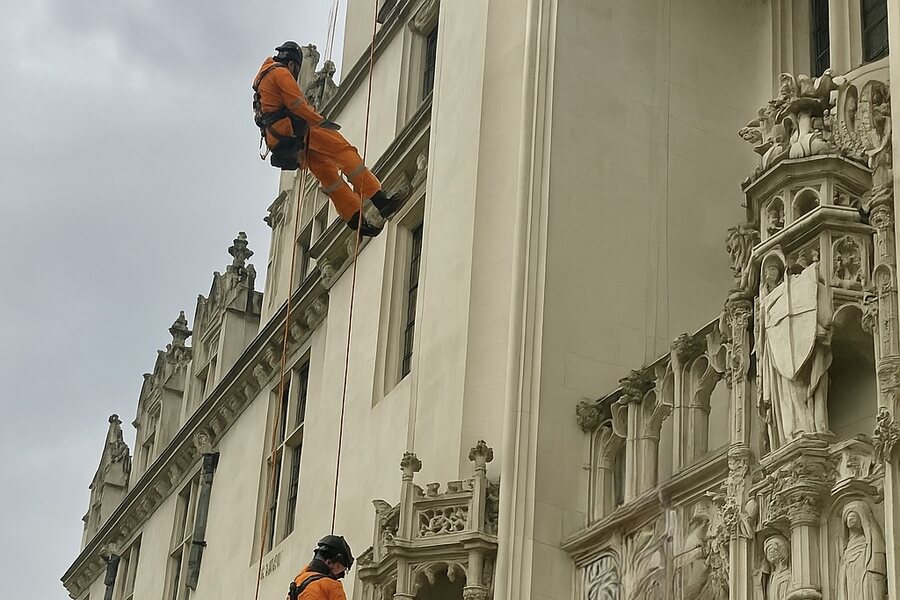
Many external defects are confined to a small area but sit in expensive or disruptive locations. Rope access can provide direct access for inspection and targeted repair without installing a full scaffold simply to reach one elevation or detail.
The method is not right for every repair. Heavy replacement work, extensive opening-up or projects requiring large quantities of materials may be better served by scaffold or another access system. We will say so when that is the case.
Repairs and maintenance we undertake
Typical commercial scopes include a combination of investigation, localised repair and planned maintenance.
- Façade, render and local masonry repairs
- Roofline, parapet, coping and flashing maintenance
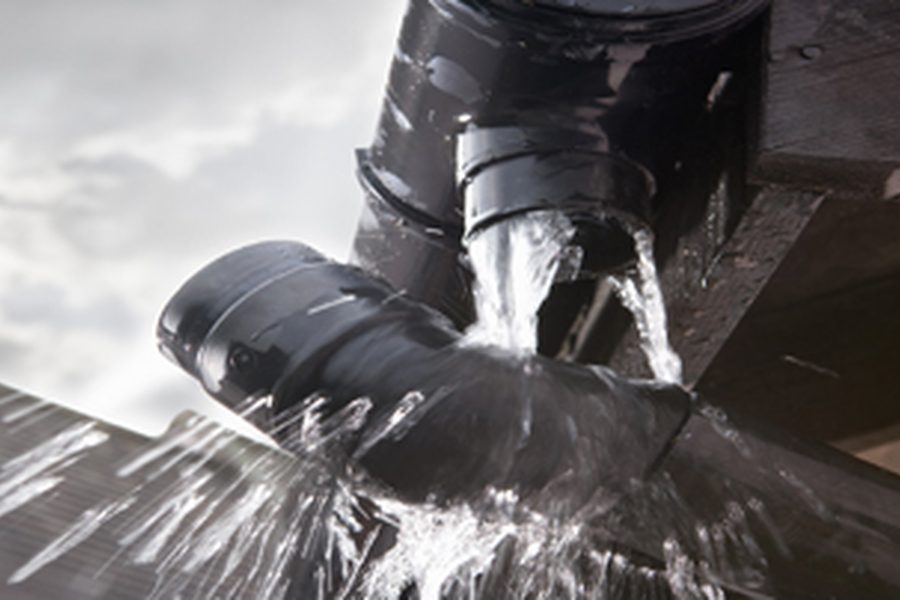
- Gutter, outlet and downpipe repairs
- Glazing support, external trims and perimeter details
- Replacement or refixing of accessible external fixtures
- Sealants, mastic, bird deterrents and protective treatments
When rope access is the right method
Rope access works best where technicians can reach the work vertically, materials and tools can be managed safely, and the repair does not require a large working platform.
- Localised defects on tall or awkward elevations
- Occupied buildings where entrances and pavements must stay usable
- Short-duration works and phased maintenance
- Sites where scaffold erection would dominate the project cost or programme
Understand the defect before promising the repair
We review photographs, previous reports and access information first. Where the cause or extent is uncertain, an inspection visit may be needed before a repair quotation can be reliable. Materials and method are then agreed and included in site-specific planning.
Why commercial property teams use CCS
We approach the work as building maintenance delivered by rope access—not rope access looking for a task. The repair scope, material compatibility and finish matter as much as reaching the area.
- More than 20 years of commercial rope access experience
- IRATA-trained technicians and CHAS accreditation
- Clear communication about limitations and access requirements
- Photographic progress or completion records where useful
Questions clients ask
Frequently asked questions
What types of repairs can be completed by rope access?
Local façade, roofline, rainwater, sealant, fixture and maintenance repairs are often suitable. The deciding factors are access, material handling, duration and the need for a working platform.
Can you quote repairs from photographs?
Sometimes. Clear photographs and site information may be enough for straightforward work, but concealed defects, leaks and uncertain substrates often need close inspection first.
Will rope access always be cheaper than scaffolding?
No. It can be much more efficient for suitable localised work, but scaffold may be better for extensive repairs, heavy materials, long programmes or repeated access by several trades.
Can you inspect and repair during the same visit?
Only when the likely defect, materials and authority to proceed are clear. For uncertain problems, separating inspection from repair prevents rushed diagnosis and unsuitable materials.