


Commercial building services
Choose the service that matches the building problem
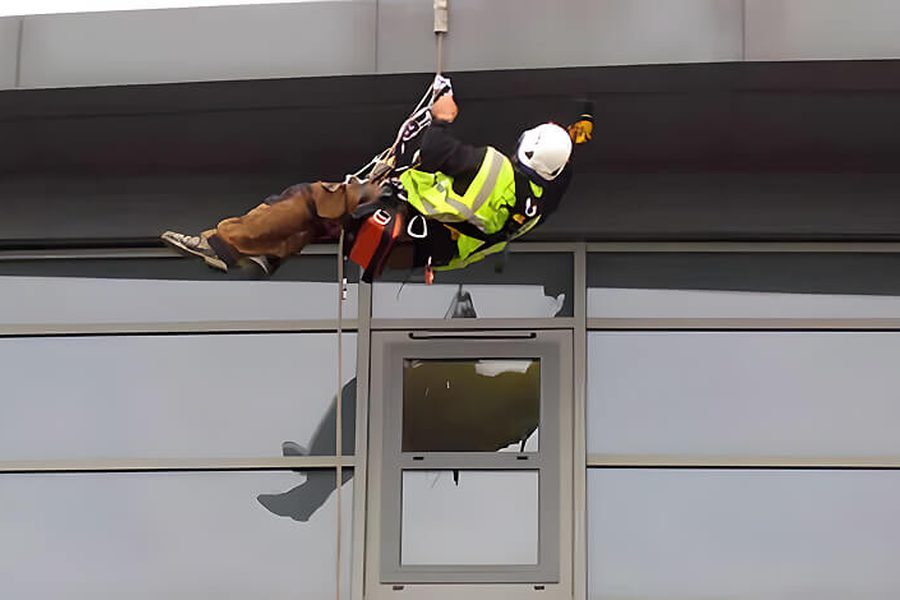
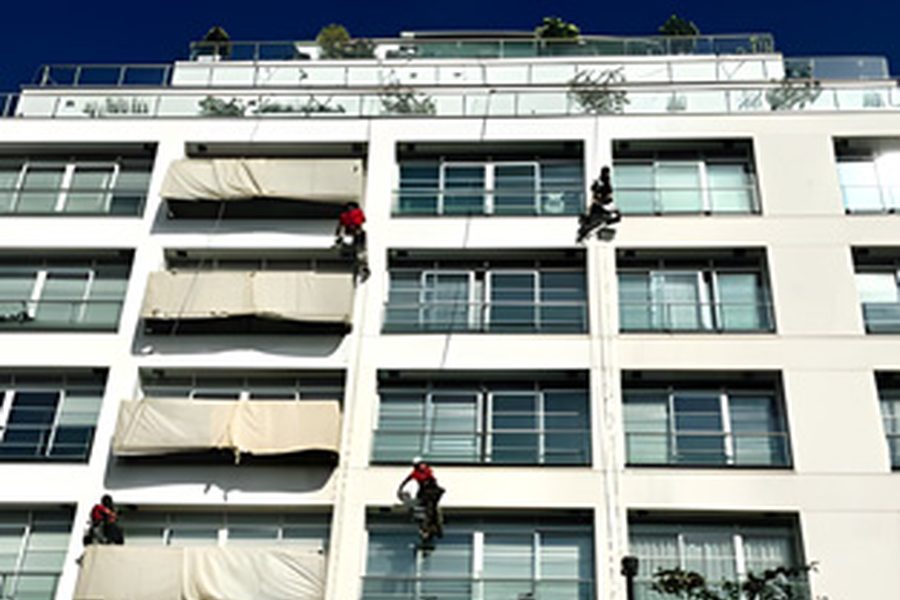
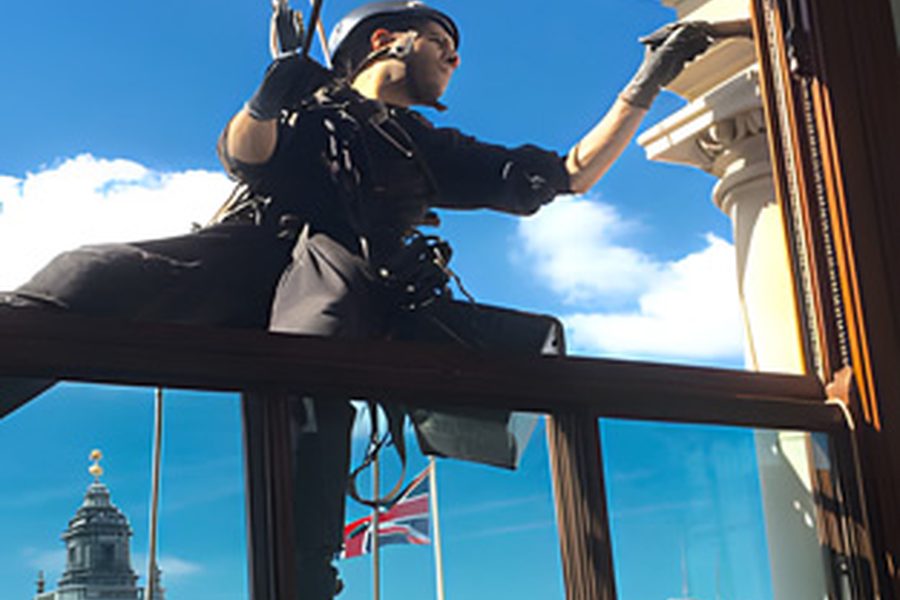
Our service pages explain the work we undertake, where rope access is effective and where a ground-level or alternative access method may be more sensible.

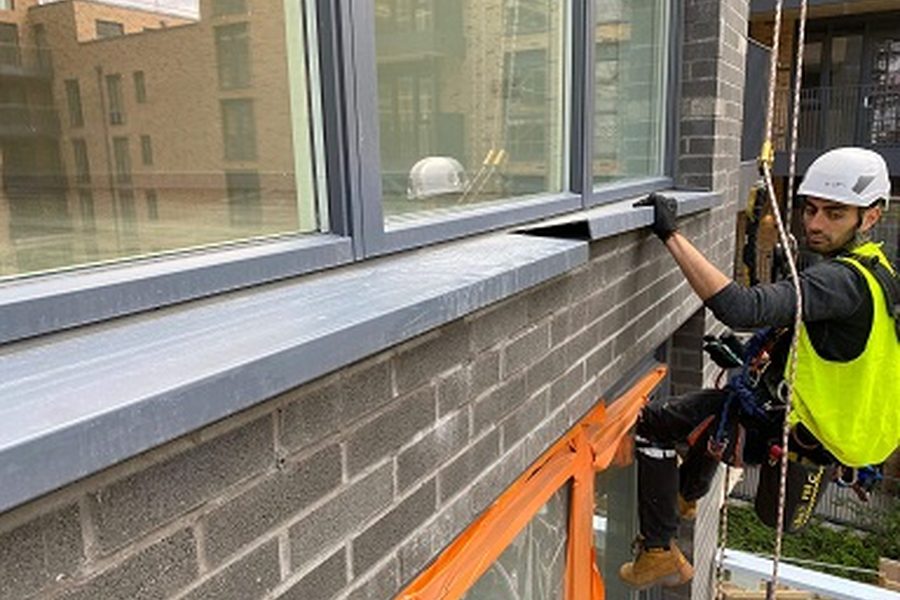
Inspect first, then price the right solution
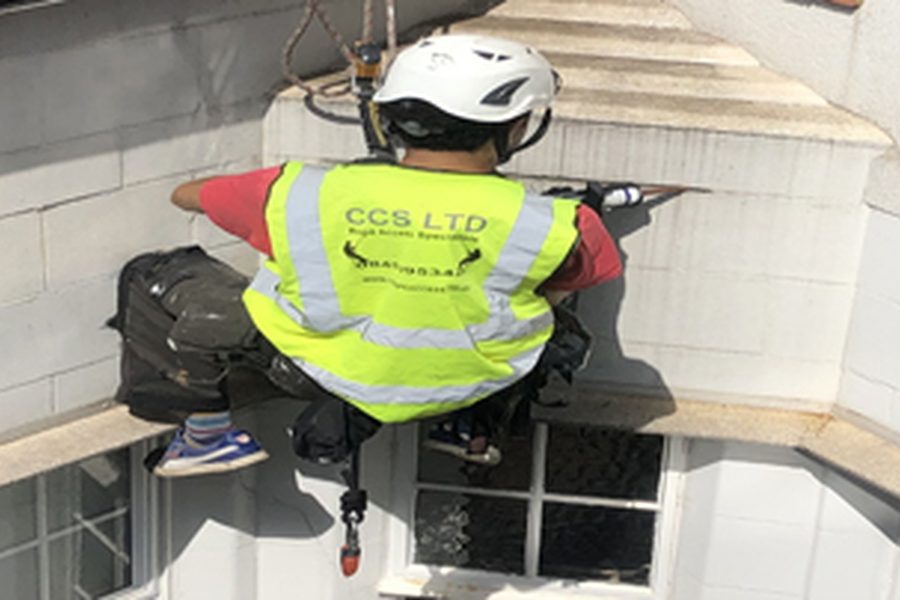
Where the defect or scope is uncertain, a rope access inspection can prevent clients from pricing scaffold around a guess. Close visual evidence allows the repair method and access system to be chosen using better information.
- Close visual inspections and photographs
- Support for facilities managers, building consultants and property teams
- Focused leak and façade investigation
- Practical access observations for the repair stage
Repairs and planned maintenance
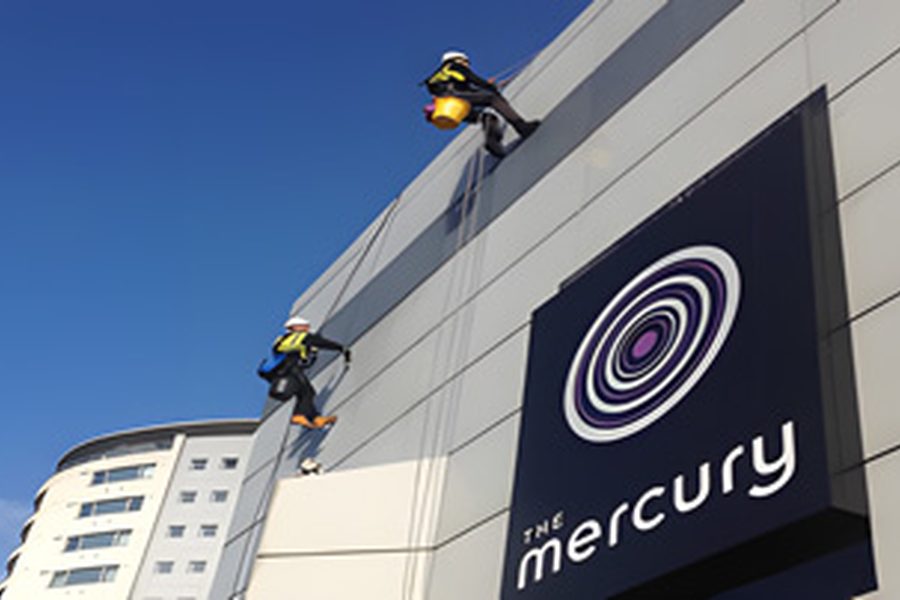
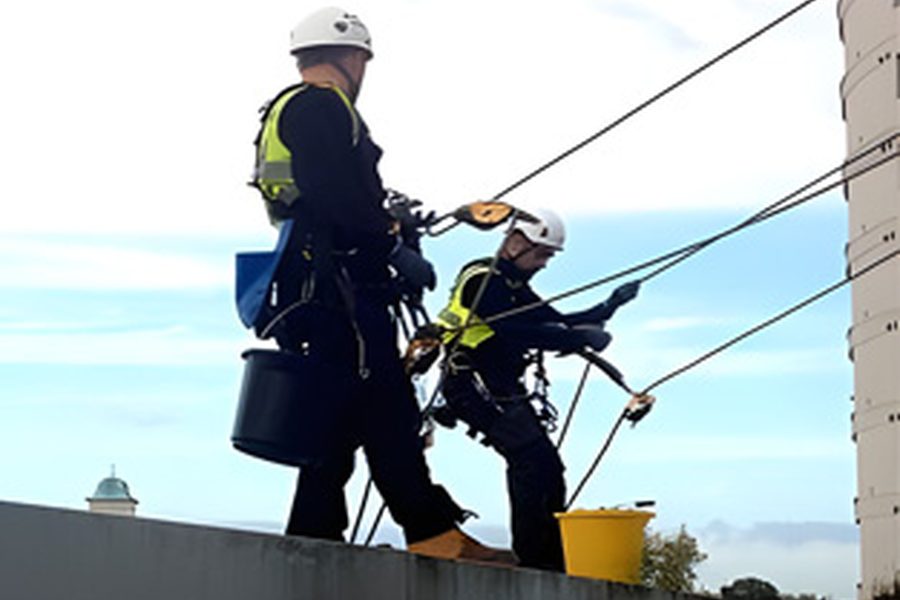
For suitable localised work, rope access can reduce setup time and keep entrances, pavements and occupied areas clearer than scaffold. The method still has limitations, particularly for heavy materials, extensive opening-up and long-duration multi-trade projects.
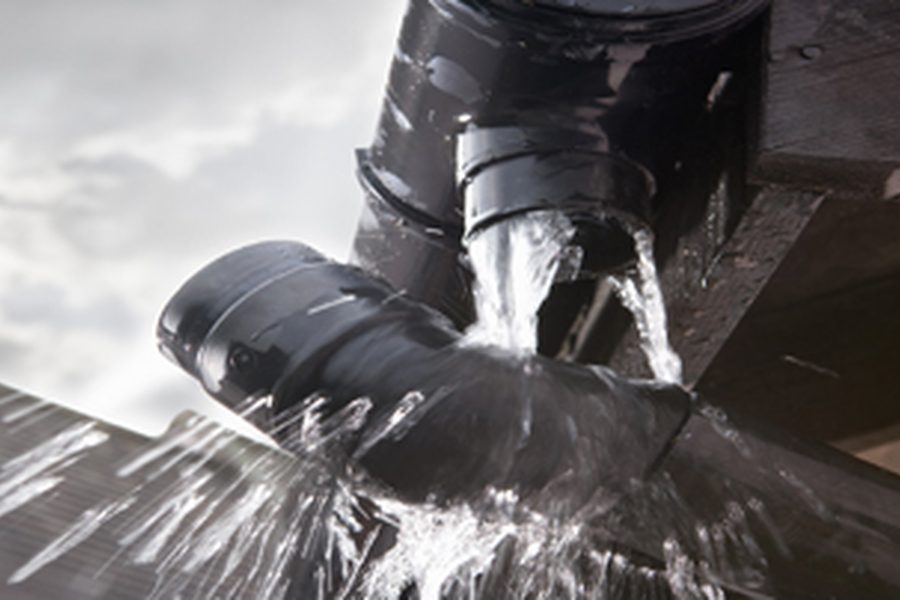
- Façade, roofline and rainwater-goods repairs
- Painting, coatings, repointing and sealant work
- Cleaning and difficult-access installations
- Planned maintenance visits and completion evidence
How we plan commercial rope access work
We start with the building, scope and access—not with a promise that ropes will solve everything. Photographs, roof information and drawings are reviewed before attendance where possible. The work is then planned around rigging, rescue, exclusion zones, occupants, materials and the task itself.
What to send with an enquiry
Useful information produces a faster and more reliable response. Send the site address, photographs showing both the defect and the wider elevation, the approximate height, the intended outcome, access restrictions and any existing roof or anchor-point information.
Understanding the access method
Guides for clients planning work at height
These pages explain what rope access is, how the method is organised and the questions to ask before choosing it.