


Difficult-access inspection
Get close to the defect before deciding how to repair it
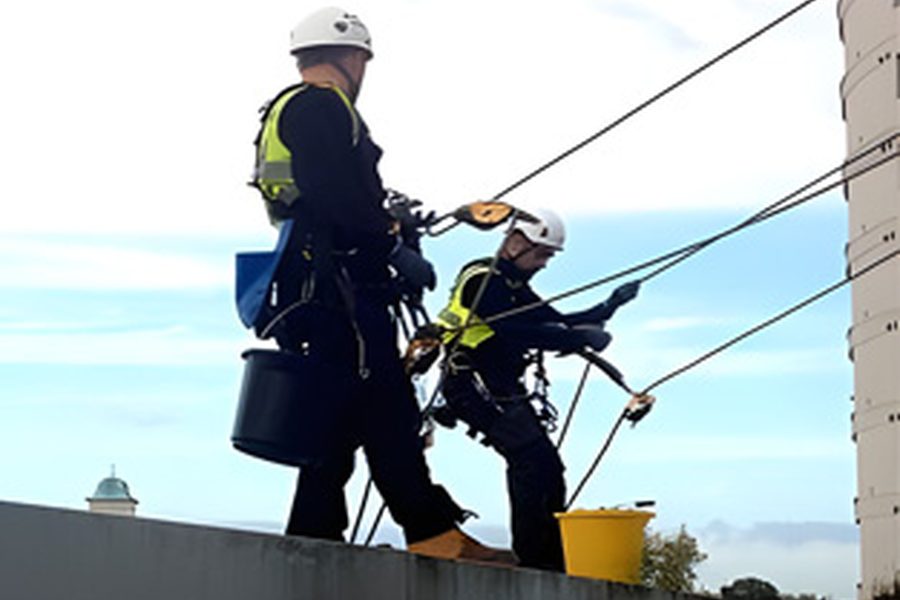
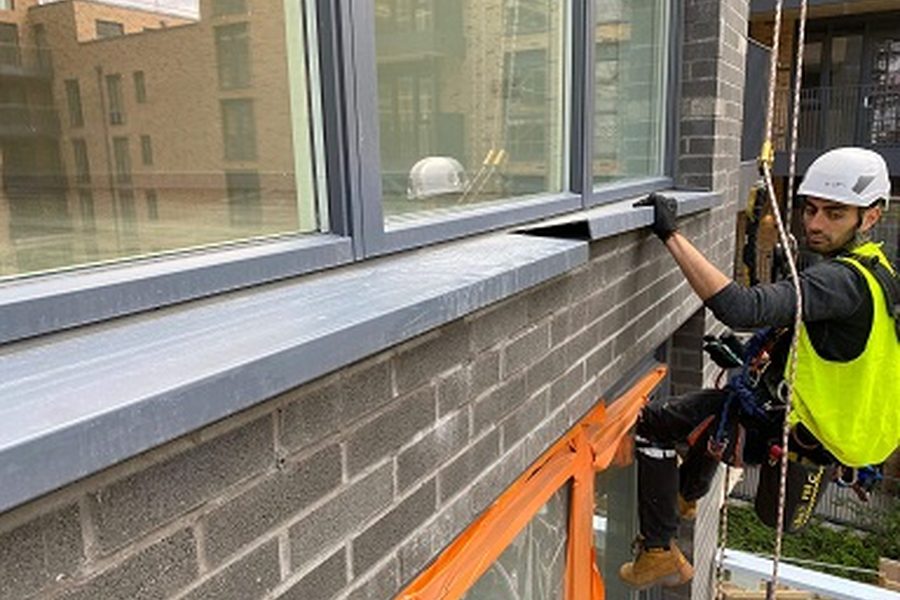
Photographs taken from the ground often show that a problem exists but not what has caused it. Rope access allows a technician to reach the detail, examine it closely and collect clearer evidence without installing full scaffold simply to investigate.
The output can support maintenance planning, quotations, defect discussions and decisions about whether a specialist building consultant, engineer or manufacturer needs to be involved.
Areas we can inspect
The inspection is tailored to the building and the question the client needs answered.
- Roofs, parapets, copings and roofline details
- Brickwork, render and local façade defects
- Glazing, frames, gaskets and perimeter seals
- Cladding panels, joints and accessible fixings
- Gutters, outlets, downpipes and external services
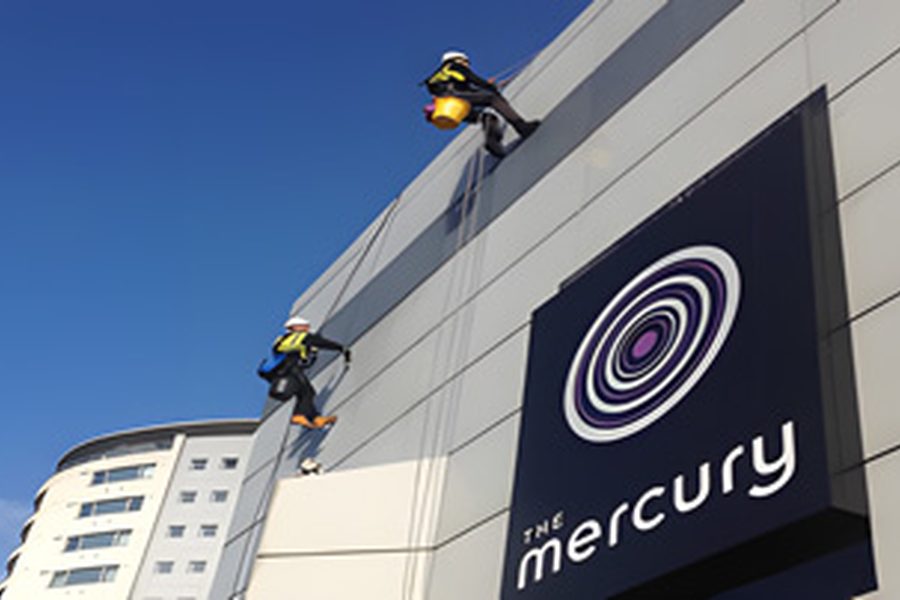
- Signs, fixtures and other difficult-access components
What the inspection can provide
We can provide close photographs, location references and practical observations. Where the issue requires formal engineering, structural or specialist diagnosis, our evidence can support the appointed professional but does not replace that expertise.
Our role is to provide safe close access and record visible building condition. Where formal engineering interpretation, specialist diagnosis or a remedial specification is required, this must be provided by the appropriately appointed professional.
- Focused inspection of reported defects
- Wider condition checks along an agreed elevation
- Photographic records for property and facilities teams
- Identification of obvious maintenance priorities and access constraints
From question to useful evidence
Before attending, we agree the elevations, defects and required output. On site, the team follows a planned inspection route and records the relevant details. Findings are reported in a practical format proportionate to the job.
Why inspect by rope access?
Rope access can shorten the gap between noticing a defect and understanding it. It is particularly useful where access is vertical, the work is investigative and scaffold would be excessive before the scope is known.
- Close access to the exact area of concern
- Less disruption than scaffold on suitable buildings
- Evidence that can improve the accuracy of repair quotations
- Option to carry out agreed minor remedial work during a later visit
Questions clients ask
Frequently asked questions
Is this a structural engineering assessment?
No. We provide close visual access, photographs and practical observations. A structural engineer or other specialist may still be required to interpret defects or specify remedial work.
Can you inspect only one reported leak or defect?
Yes. The scope can be tightly focused, although it is often sensible to inspect adjacent joints and details that may contribute to the problem.
Will I receive photographs?
Photographic evidence can be included and the required level of reporting should be agreed in the quotation. Larger inspections may need a structured location or elevation schedule.
Can repairs be completed during the inspection?
Only where they have been agreed, materials are available and the defect is suitable. Investigation and repair are often separated so the correct scope and materials can be confirmed first.